
Editorial training journal

Coached by Frankie

Youth sport, discipline, amateur performance

What a coaching staff actually takes from the project

Session plans, match-reading columns and recovery notes are written to be used in a staff meeting, not admired from a distance. Coaches working with youth categories and adult recreational players can pull one idea per week and test it on the pitch.

The material below shows how those pieces look in practice: a training evening, a way of watching a weekend match, and a short mobility block that fits before or after a session.

Coached by Frankie: for teams

Three evenings, one clear coaching point

A weekly layout for squads that train after school and play on Saturdays. Technical work, small-sided games and light conditioning are spread across three sessions, with a recovery day before the match. Each block lists duration, intensity and the single point to reinforce, so a session that runs short still keeps its main idea. The same structure adapts to futsal and seven-a-side formats.

Watching shape instead of the ball

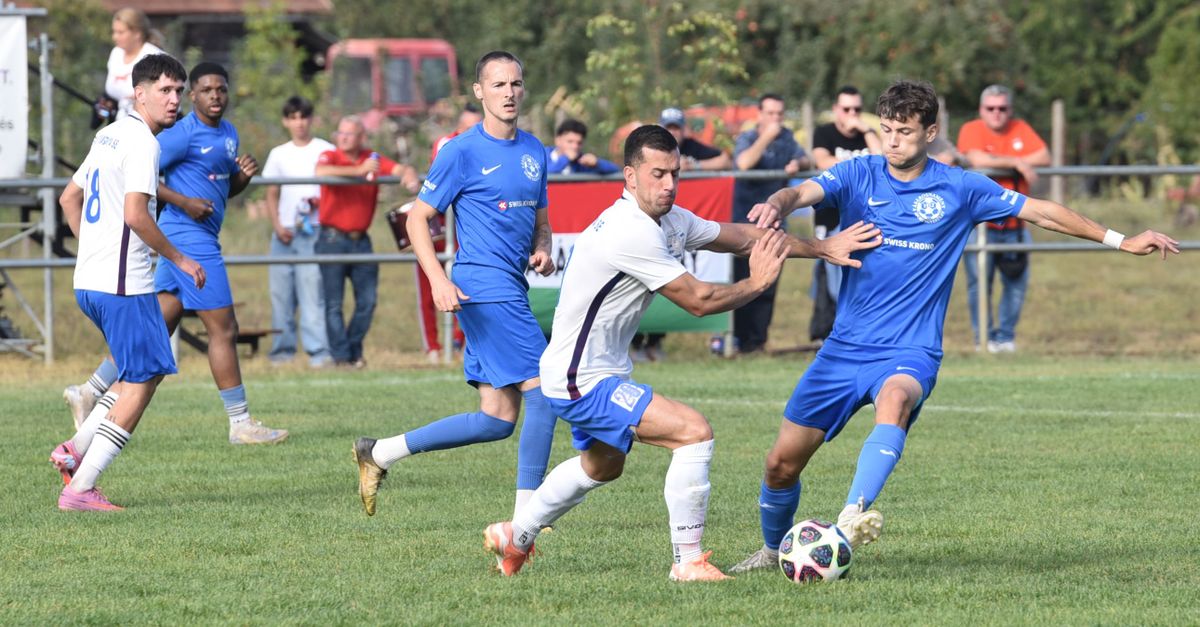
Most parents and young players follow the ball and miss the structure that decides the game. The analysis columns track how the back line shifts when the ball travels wide, where the midfield leaves gaps, and which pressing triggers force a mistake. Weekend league matches in Buenos Aires are the working material, uneven pitches and fast tempo included. The point is a shared vocabulary after the match, so the talk is about decisions rather than blame.

Coached by Frankie: for teams

Ten minutes before, ten minutes after

Growing players lose range in hips and ankles without noticing, and it shows up later as knee or lower-back discomfort. The mobility notes give two short sequences: hip openers, ankle work and controlled lunges to start, hamstrings and calves to close. Each movement carries one cue and one common error. They run on a shared pitch or in a small room, which matters for clubs with limited space.

Bring the same plan to your staff meeting

If your club runs on three evenings a week and a Saturday match, the material here is built for that reality. Session plans by discipline, match-analysis columns and recovery notes are written so a coaching staff can read them together and agree on one idea before the week starts.

Nothing here replaces your own read of the squad. It gives you a shared vocabulary for the arguments you already have in the dressing room.

What this page does not claim

Coached by Frankie is an editorial project. The session plans, match-analysis columns and recovery notes collected here are written to be read, discussed and adapted — they are not a coaching license, a individual care protocol or a substitute for the person who sees your squad three times a week.

When a plan appears on this page, it describes a general shape of a training week: how technical work, small-sided games and light conditioning can sit next to a recovery day. It does not know your pitch, your category limits, your tournament calendar or how many players actually show up on a Tuesday. Treat every block as a starting point that a coach rewrites.

Terms we use in a specific way

Session plan
A written outline of training blocks with a duration, an intensity note and one coaching point to reinforce. It is not a prescription and carries no guarantee about attendance, load or outcome.
Recovery note
General guidance on sleep timing, hydration and short mobility work. Nothing here diagnoses a physical limitation, replaces a physiotherapist or addresses a specific player's condition.
Match analysis
A reading of shape, spacing and pressing triggers written for spectators, families and young players. It is one interpretation of what happened, not an official report and not a judgment on any individual.
Formative club
Used here for neighborhood and youth clubs working with small staffs and limited resources. We describe how those coaches organize categories; we do not speak on their behalf.
Adapted to a category
Means the language, volume and exercise choices are pitched toward youth or adult recreational players. It does not mean the material has been validated by a federation, a club or a specialist staff.

Where the material comes from

Columns and interviews are built on cases and conversations from amateur and formative football around Buenos Aires, including local tournament calendars and the conditions coaches actually work in. Where a piece uses an example to explain a point, it is presented as an example, not as a documented result. We do not publish performance numbers, recovery rates or outcomes we cannot show.

How to use it with a staff

Bring a plan to a staff meeting, compare it with what your week allows, then cut what does not fit. If a note on sleep, mobility or everyday food raises a question about a specific player, that question belongs with the family and a qualified professional — not with this page.

What a coaching staff can actually use

This page is for coaches and formative clubs who already run training weeks and need material that fits them. Not a system to install, not a promise about results. Just the parts of the project that hold up in a staff meeting: session layouts by discipline, match-reading notes, and recovery guidance written for youth categories and adult recreational players.

Session plans by discipline

Weekly layouts for eleven-a-side, seven-a-side and futsal squads, built around three training days and one recovery day. Each block lists duration, intensity and the single coaching point to reinforce, plus what to drop when the session runs short.

Match-analysis columns

Notes on reading shape, spacing and pressing triggers in amateur football, so post-match talks focus on decisions rather than the scoreboard. Useful when a staff wants a shared vocabulary across categories.

Recovery, mobility and everyday food

Short routines and eating patterns that fit a school or work schedule. Hip and ankle work before practice, cool-downs after, and simple guidance for the gap between school and an evening session.

Interviews with club coaches

Conversations with coaches at neighborhood and formative clubs about categories, playing time and players who develop late. Practical constraints included, not just principles.

If you want to see how a full training week gets organized before you bring anything to your staff, start with the weekly session plan for under-14 squads.

See how the project works

Cookies on this site

This site stores your cookie preference on this device for up to one year. You can accept or reject optional cookies and read more in our privacy policy.

Privacy policy